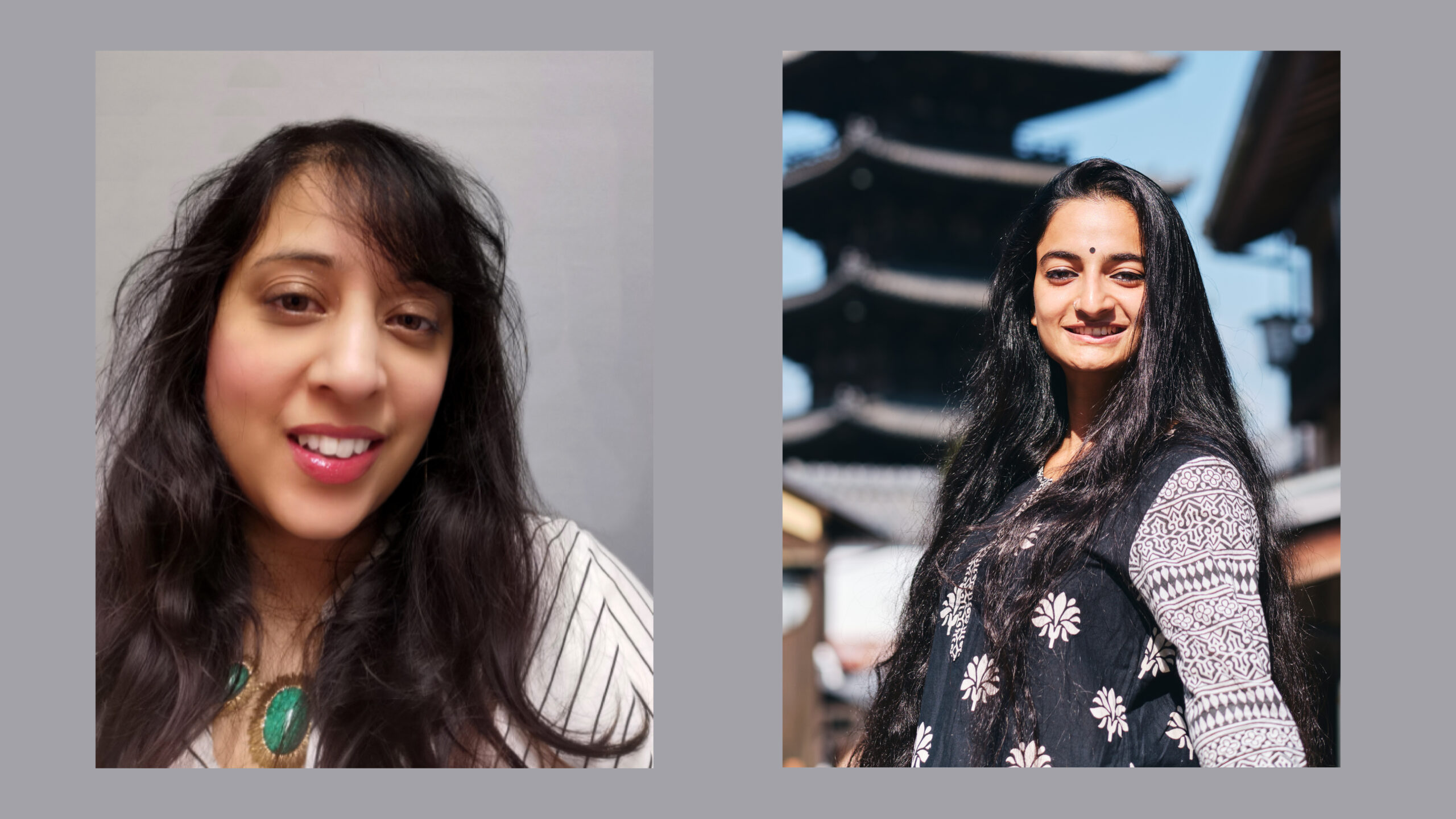
Midday Mantra: Sun Raga features London-based musician Tommy Khosla. Tommy is redefining the boundaries of global fusion as a contemporary sitarist, composer and leader of multi-disciplinary collective JAWARI. For this performance, Tommy is joined by Nina Harries on Double Bass and Nirmal Chohan on Tabla for a lunchtime concert of immersive soundscapes based around the theme of ‘Sun Raga’.
With his debut solo album, Vignettes, Tommy Khosla gained significant recognition, earning features in Songlines Magazine and BBC Asian Network. His work as the founder of interdisciplinary collective JAWARI has also garnered attention, with the band’s LP ROAD RASA receiving airplay on BBC 6 Music. Currently studying under Anoushka Shankar and Ricky Romain, Khosla’s performances include collaborations with the London Philharmonic Orchestra for Genshin Impact’s YouTube concert, playing Glastonbury and the Royal Albert Hall. Khosla’s work continues to push the boundaries of the sitar, reshaping its narrative in contemporary music.
We spoke to Tommy Khosla ahead of his upcoming gig:
What drew you to the sitar and have you always wanted a career in music?
I came across a sitar in my house growing up, and I fell in love with it instantly. I grew up in Devon which is not a particularly diverse area, especially at that time, and our family trips to India were not very often. So the sitar was really one of the only ways I could explore my Indian heritage whilst growing up (aside from food playing a major role!) Before learning sitar, I was playing a lot of Jazz on piano, and was drawn naturally to more modal music.
As for my music career, I did not envisage myself working as a musician when I was growing up, I actually wanted to be a dancer! During my studies at dance conservatoire I decided to shift to music – which had been present throughout my life – and I took up an MA in music at SOAS. I’m really grateful to have such incredible friends, mentors and collaborators who have kept me afloat and inspired during the chaos of being a freelance musician. If it wasn’t for them I might have given up long ago.
To many people, the sitar will be a recognisable sound in North Indian classical music. With your music, the sitar also features in other musical styles and landscapes. Do you have followers from a broad range of audiences?
I would definitely classify myself as a contemporary player, rather than a classical one. Classical is the source of my understanding of the sitar, and it is the root which I come back to in my personal practice. It informs everything I do. The outward expression of my music however would not be described as classical. I’m not sure how many “followers” I have but certainly at our shows we have audiences from a range of backgrounds and ages – some of them have been to many of our gigs before which is really lovely. We’ve played a variety of venues, from concert halls to community gardens to hospitals. I think it’s essential that music is shared with a range of people and places; music is for all of us. I am very thankful to everyone who supports our work, and I particularly enjoy it when we are able to perform outside of London. So I’m excited for this one!
You have a released a solo album (Vignettes) and a collaborative album (JAWARI ROAD RASA). What is the approach for your next album?
I am actually working on two albums at the moment: a second JAWARI LP, and an album under my own name which is what I will be sharing at Midday Mantra. This LP is intentionally less electronic, and focuses more on the natural sounds of the instruments. This is slightly in protest of the rise of AI. I think that the sounds of instruments played by real musicians who have devoted their life to them, is more important now than ever. Whilst originally supposed to be more of a “showcase” album, it has inevitably taken on a more political nature, dealing mainly with themes of climate change and conflict. I will share more on that once the ideas and concepts are more properly realised. I would call this contemporary sitar music, as we are playing with the classical constructs in a more “unbounded” way.
Who is joining you at Midday Mantra and what can the audience expect on 18 July?
I will be joined by two members of my wonderful band – Nirmal Chohan on tabla, and Nina Harries on double bass. We’ll be exploring some ideas from my upcoming LP, and sharing them for the first time in Birmingham. Nirmal and I are riyaz partners and have been practicing together regularly for many years now; we most recently got back from a writing residency in France supported by Josh Elliott (Creative Peaks), where we wrote some of the music we’ll be sharing today. Nina Harries is a more recent addition to the band and is a musician who I’ve admired for many years; I loved what she brought to Soumik Datta’s work and we met through my Guru, Anoushka Shankar. It is really an honour to play with these musicians, and I could not present this music without them.
Whether you’re a long-time lover of Indian classical music or simply curious to discover something new, Tommy Khosla invites you to pause, listen and experience the sitar in a fresh and inspiring way. Join us at B on Saturday 18 July for an hour of immersive music that celebrates connection, creativity and the power of live performance. Book your tickets here.